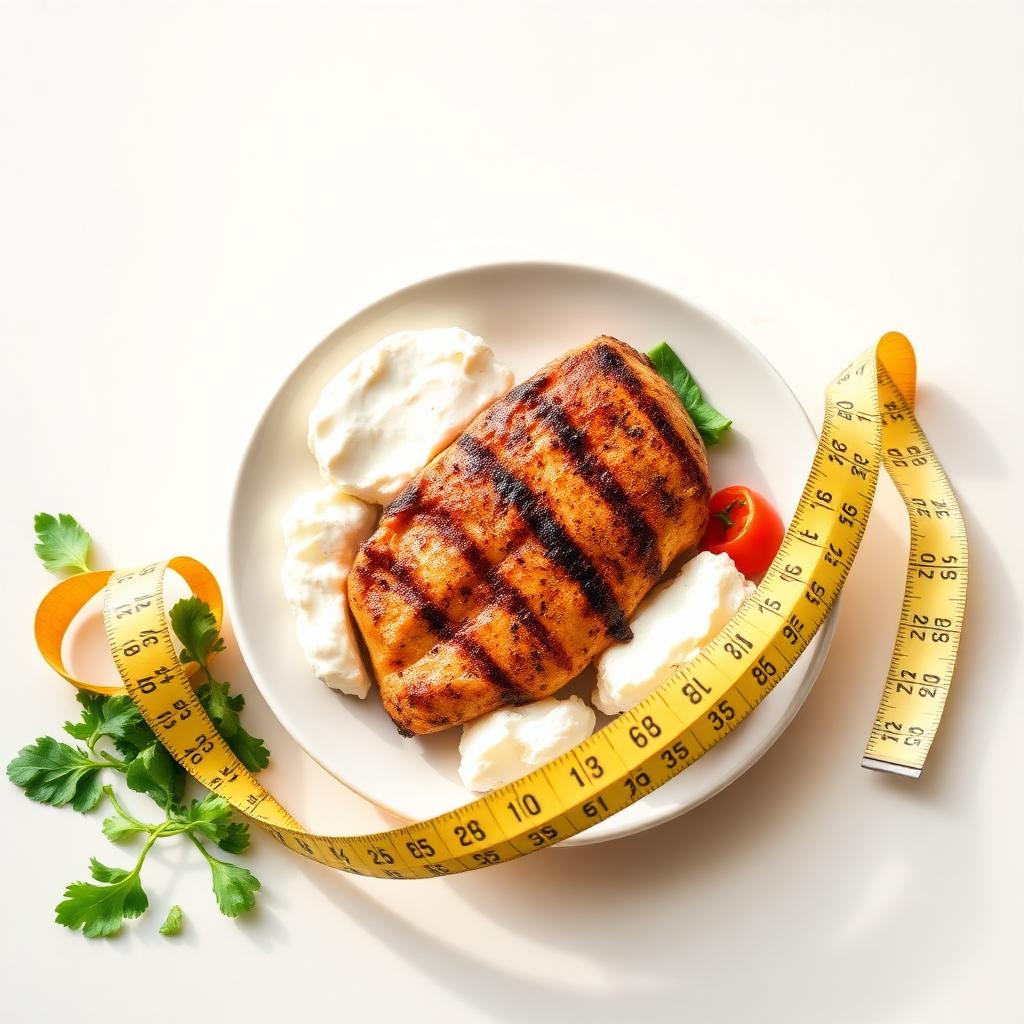
Short answer: yes — for most people, a high protein diet meaningfully helps with weight loss. It doesn't do it by magic, and it doesn't override calories. What it does is make a calorie deficit easier to stick to, and helps you lose more fat and less muscle while you're in one.
First, some context on the definition — see what actually counts as high protein for the reference ranges. Then here's why it matters when you're trying to lose weight.
The Four Reasons High Protein Wins for Fat Loss
1. It keeps you full
Protein is the most satiating macronutrient per calorie — it triggers the release of fullness hormones (like PYY and GLP-1) and blunts hunger hormones (like ghrelin) more than carbs or fats. In practical terms: higher-protein meals keep you full longer, which means less snacking and less white-knuckling through a deficit.
2. It protects muscle in a deficit
When you lose weight, some of the loss is inevitably lean tissue — unless you give your body a strong reason to hold onto it. Higher protein intake (combined with any kind of resistance training, even bodyweight) tells your body to burn fat for energy instead of cannibalizing muscle. This is why bodybuilders and physique athletes push protein highest during cutting phases.
3. It burns slightly more calories to digest
Every macronutrient has a "thermic effect" — the calories your body spends digesting it. For protein, that's 20–30%, versus 5–10% for carbs and 0–3% for fat. So of 100 protein calories, only 70–80 net calories actually stick. It's not huge, but at 150g of protein per day it adds up to about 60–100 extra calories burned daily — for free.
4. It's harder to overeat
Very few people accidentally eat too much cottage cheese or grilled chicken. High-protein foods are usually less calorie-dense and less "hyperpalatable" than the carb-and-fat combos (chips, pastries, ice cream) that drive the bulk of overeating. Shifting more of your plate toward protein naturally displaces calories that would otherwise be easy to overshoot.
What the Research Actually Shows
Multiple randomized trials comparing high-protein diets (roughly 1.2–1.6 g/kg or higher) to standard-protein diets (around 0.8 g/kg) at matched calories consistently find that the higher-protein groups:
- Lose more body fat
- Retain more lean mass
- Report less hunger and better diet adherence
- Regain less weight in the year after the diet ends
None of this means high protein is a shortcut. The people in those studies still had to eat fewer calories than they burned. High protein just makes doing that meaningfully easier.
How Much Protein for Weight Loss
A reasonable target for weight loss is 1.6–2.0 g of protein per kg of body weight per day (about 0.7–0.9 g per pound). For a 170 lb person, that's roughly 120–150g/day. Very lean people or heavy lifters may push toward the top of that range, but past ~2.2 g/kg there's no additional benefit for most people.
Building a High-Protein Weight-Loss Plate
- Half the plate: non-starchy vegetables (greens, broccoli, peppers, cucumber, tomatoes).
- Quarter of the plate: a lean protein — chicken breast, fish, lean beef, tofu, eggs, cottage cheese, Greek yogurt.
- Quarter of the plate: a smart carb — rice, potatoes, oats, quinoa, beans.
- A thumb of fat: olive oil, avocado, nuts.
Want a full week already mapped out? Try our practical high-protein meal plan — it's built around a ~1,800 kcal, ~150g protein target you can scale up or down.
What Not to Do
- Don't slash carbs to zero just because you're going high protein — the two aren't linked, and low energy will make your workouts (and mood) worse.
- Don't count only protein. Total calories still determine whether you lose weight; protein just makes staying in a deficit easier.
- Don't extreme it. Above ~2.2 g/kg, the returns disappear and the tradeoffs (crowding out other foods, digestive discomfort) start to matter.
The Bottom Line
A high protein diet is one of the highest-leverage changes you can make for sustainable weight loss. It doesn't override the calorie math — but it stacks the odds heavily in your favor by keeping you full, protecting muscle, and making overeating harder. If you're struggling with hunger on a diet, this is usually the first knob to turn.
For the mindset and habit side of losing weight without white-knuckling, see how to lose weight without starving yourself.
Build your own plan: Use the NutriPlan meal planner and select the High Protein diet to auto-generate a personalized 7-day plan with your exact calorie and macro targets.