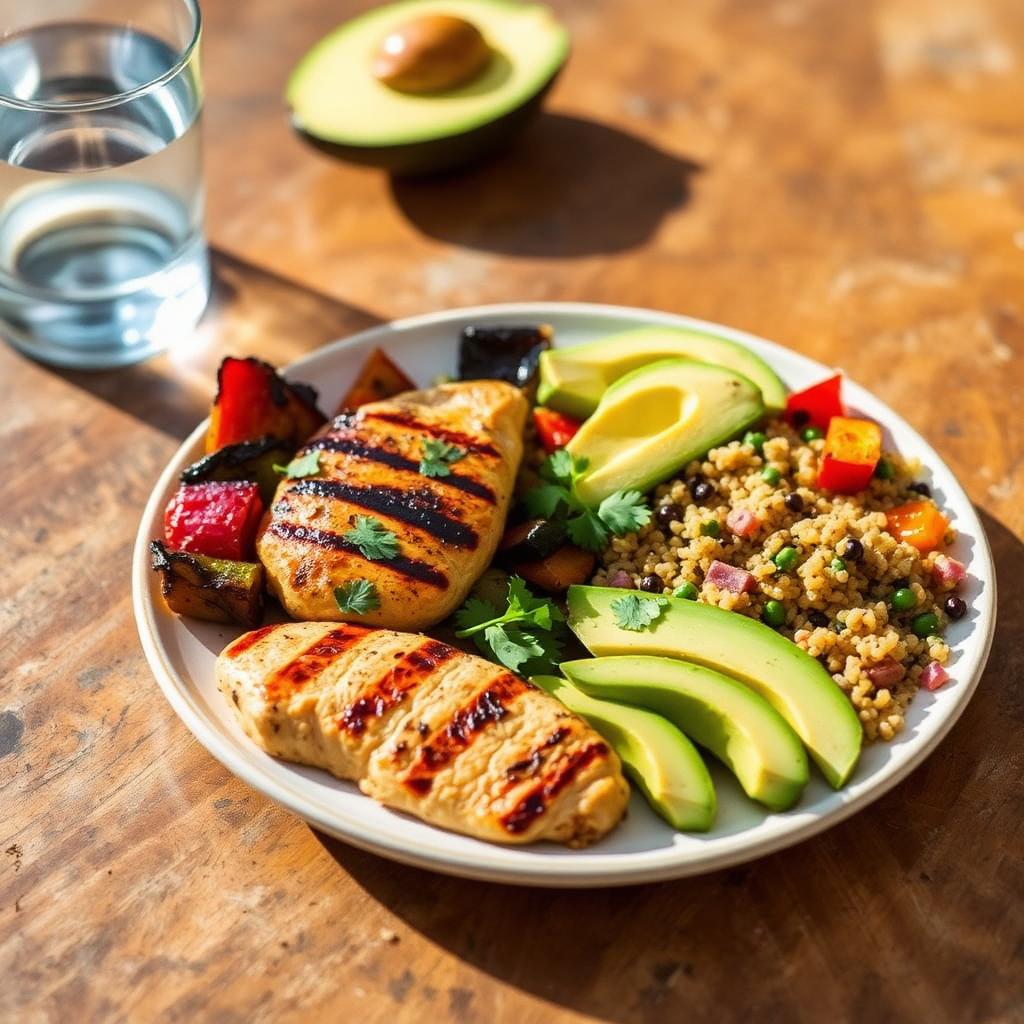
Losing weight doesn't have to mean white-knuckling through hunger, skipping meals, or living off salad and willpower. In fact, extreme calorie restriction often backfires — it slows your metabolism, triggers intense cravings, and makes you more likely to binge and regain the weight. The good news is that sustainable weight loss is entirely possible without starving yourself. It just requires working with your body instead of against it.
Why Starvation Diets Don't Work Long-Term
When you drastically cut calories, your body interprets it as a threat and responds by conserving energy. This slows your resting metabolic rate, increases hunger hormones like ghrelin, and decreases satiety hormones like leptin. The result is a vicious cycle: you feel hungrier, your metabolism works against you, and any weight lost is often regained — sometimes with extra pounds attached. Research consistently shows that moderate, sustainable calorie deficits combined with nutrient-dense foods outperform crash diets for long-term success.
Practical Strategies for Sustainable Weight Loss
1. Focus on Protein at Every Meal
Protein is the single most filling macronutrient. It keeps you satisfied longer, preserves muscle mass during weight loss, and has a higher thermic effect, meaning your body burns more calories digesting it compared to fats or carbs. Aim to include a palm-sized portion of protein — eggs, chicken, fish, tofu, beans, or Greek yogurt — at every meal and snack. For a concrete daily target, see how many grams of protein is a high protein diet.
2. Eat More Volume, Not Less Food
One of the biggest myths about dieting is that you need to eat tiny portions. Instead, focus on foods with high volume but low calorie density, like vegetables, fruits, broth-based soups, and whole grains. These foods fill your stomach and trigger fullness signals without packing in excess calories, so you can eat satisfying portions and still maintain a calorie deficit.
3. Don't Fear Healthy Fats and Carbs
Cutting out entire food groups usually leads to intense cravings and eventual overeating. Healthy fats like avocado, olive oil, and nuts support hormone balance and satiety, while complex carbs like oats, sweet potatoes, and quinoa provide steady energy and fiber. Balance, not elimination, is the key to feeling satisfied while losing weight.
4. Practice Gentle, Not Extreme, Calorie Deficits
A moderate deficit of around 300–500 calories per day is far more sustainable than slashing calories drastically. This pace typically supports about 0.5–1 pound of weight loss per week, which research shows is more likely to stay off long-term. Not sure where to start? See our guide to how many calories should I eat.
5. Prioritize Sleep and Stress Management
Poor sleep and chronic stress raise cortisol and ghrelin levels, increasing hunger and cravings for high-calorie comfort foods. Getting 7–9 hours of quality sleep and managing stress through movement, mindfulness, or simply unplugging can make it significantly easier to stick to healthy eating habits without feeling deprived.
6. Stay Hydrated
Thirst is often mistaken for hunger. Drinking a glass of water before meals can help you tune into true hunger cues and naturally reduce portion sizes without any sense of restriction.
7. Allow Yourself Flexibility
Rigid all-or-nothing diets are a major reason people quit. Building in occasional treats or higher-calorie meals — without guilt — keeps you mentally satisfied and prevents the binge cycle that strict diets often create. Aim for consistency over perfection.
The Bottom Line
Sustainable weight loss isn't about starving yourself; it's about eating smarter. By prioritizing protein, choosing high-volume foods, maintaining a moderate calorie deficit, and supporting your body with good sleep and stress management, you can lose weight steadily while still feeling satisfied and energized. Ready to make it concrete? Try our 7-day high protein meal plan.
Try it out: Use the NutriPlan meal planner to generate a personalized 7-day meal plan with a gentle calorie deficit and filling, nutrient-dense foods.